Type
Concept case study
Brand
Caddy Shop
Role
Product design & UX
Sector
UX/UI · Marketplace
Industry
Sports · E-commerce
Year
2024
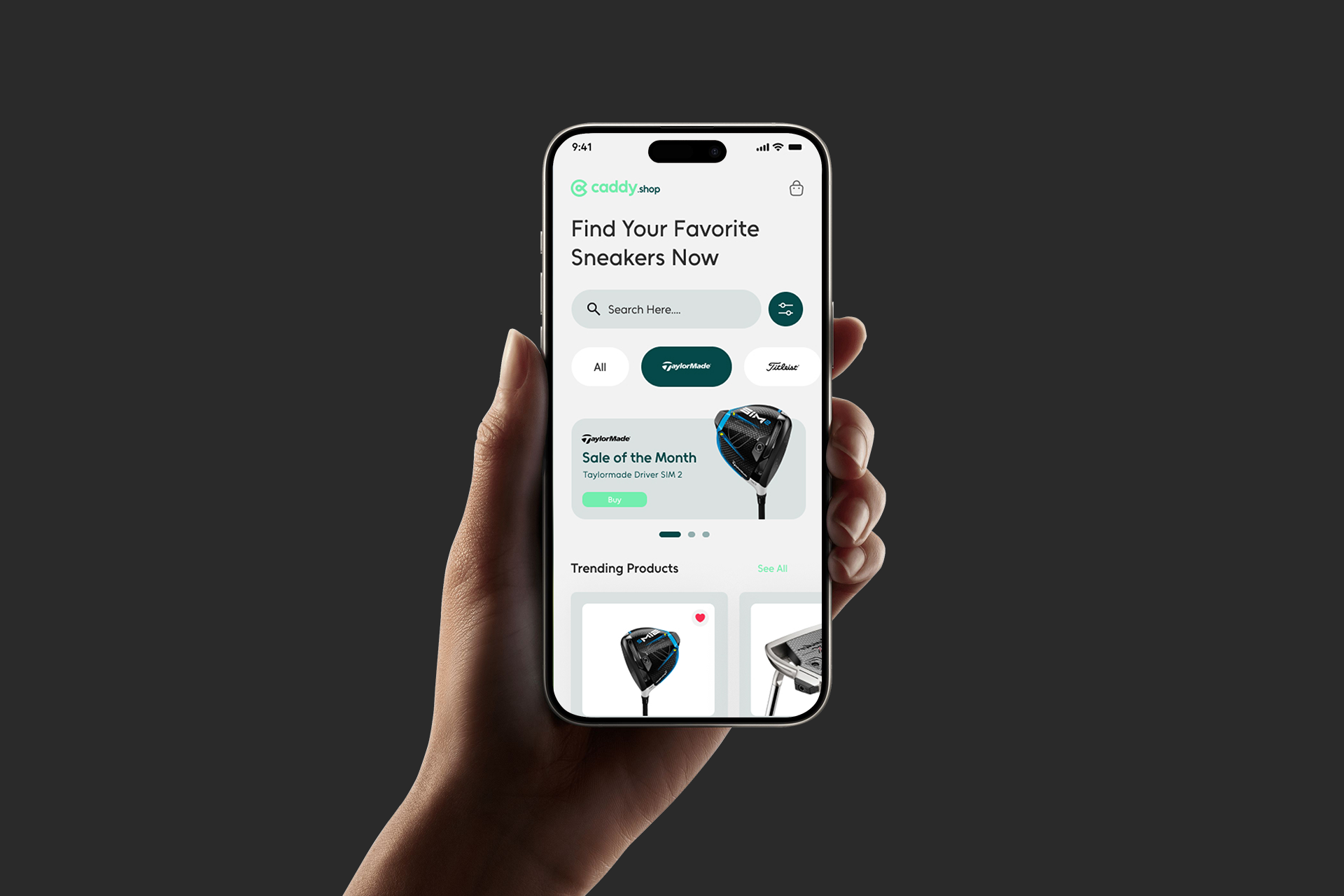
Golf equipment is a high-consideration purchase — yet existing digital marketplaces were built on generic templates that didn't understand the domain. Golfers filter by flex, loft, and condition grade, not just price. I designed a golf-native marketplace that made buying first and second-hand gear as considered as the sport that requires it.
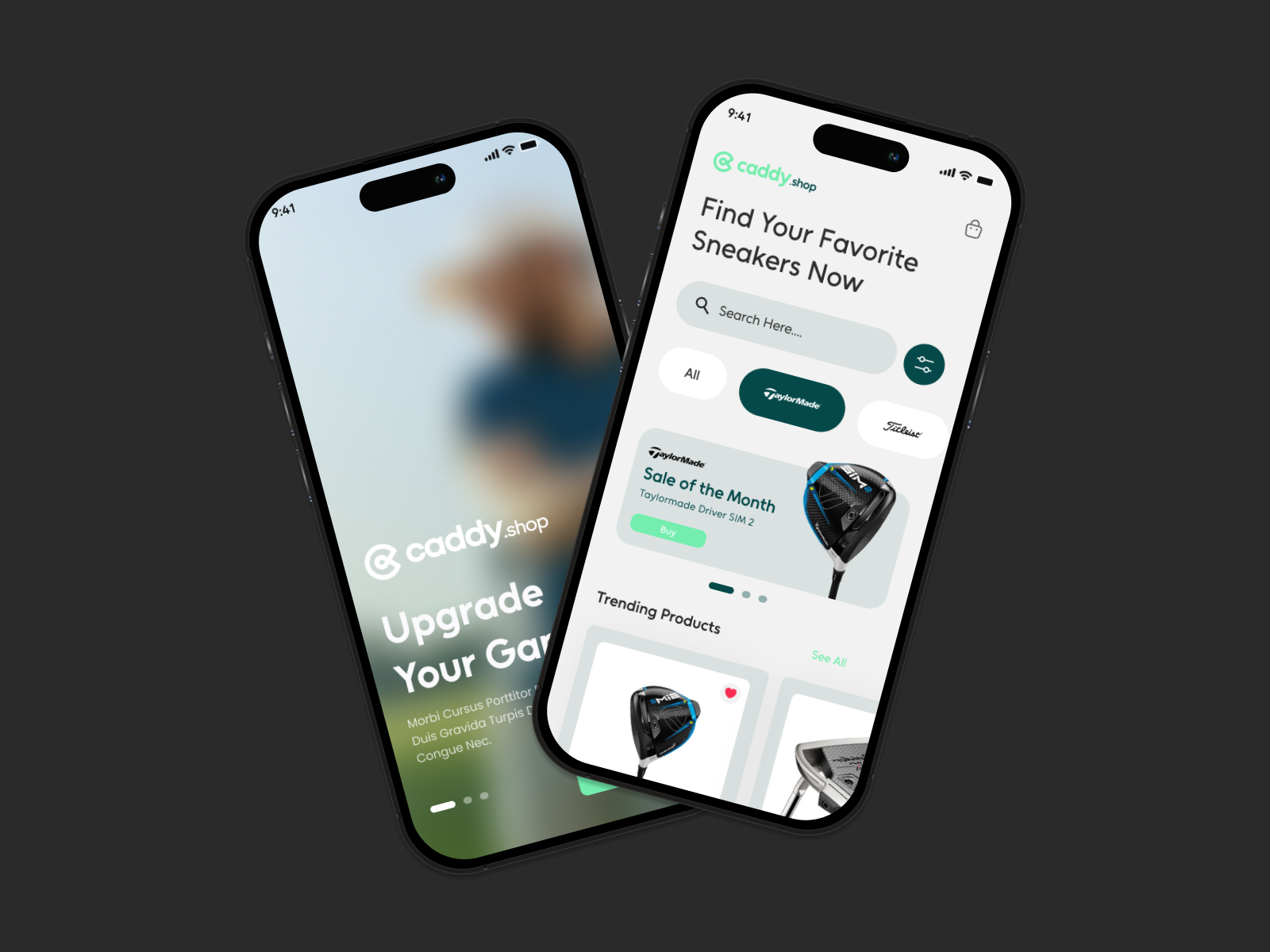
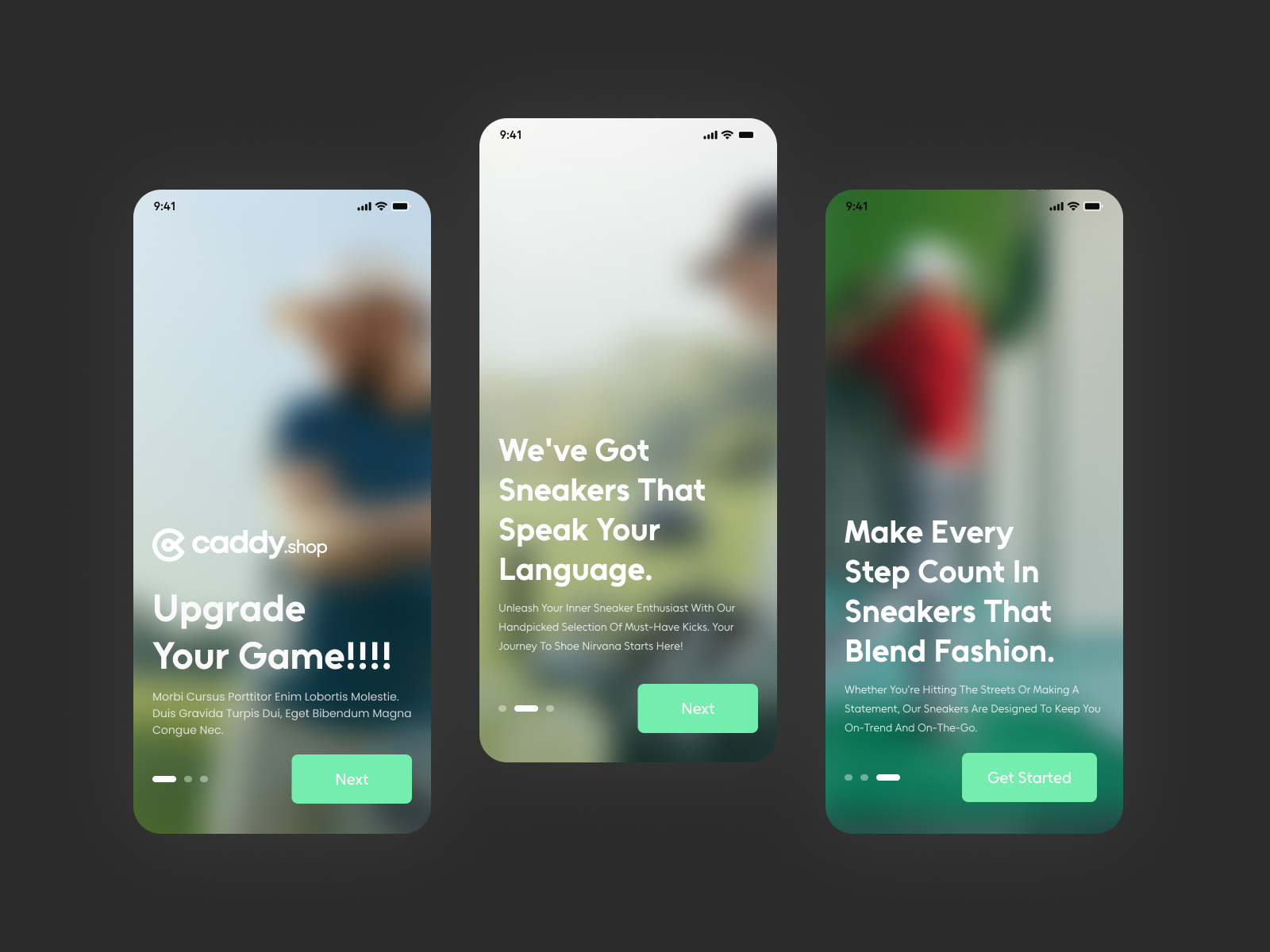
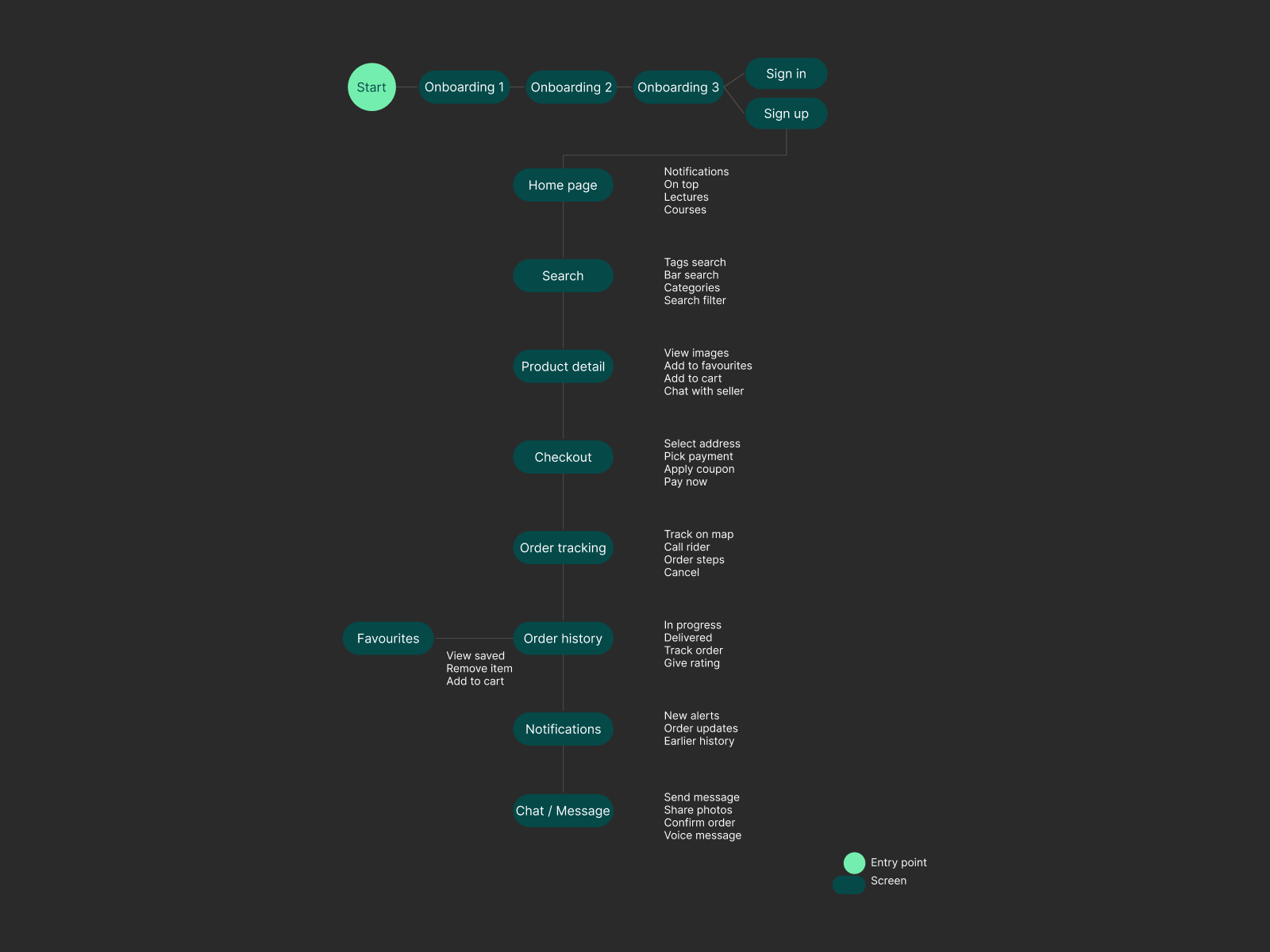
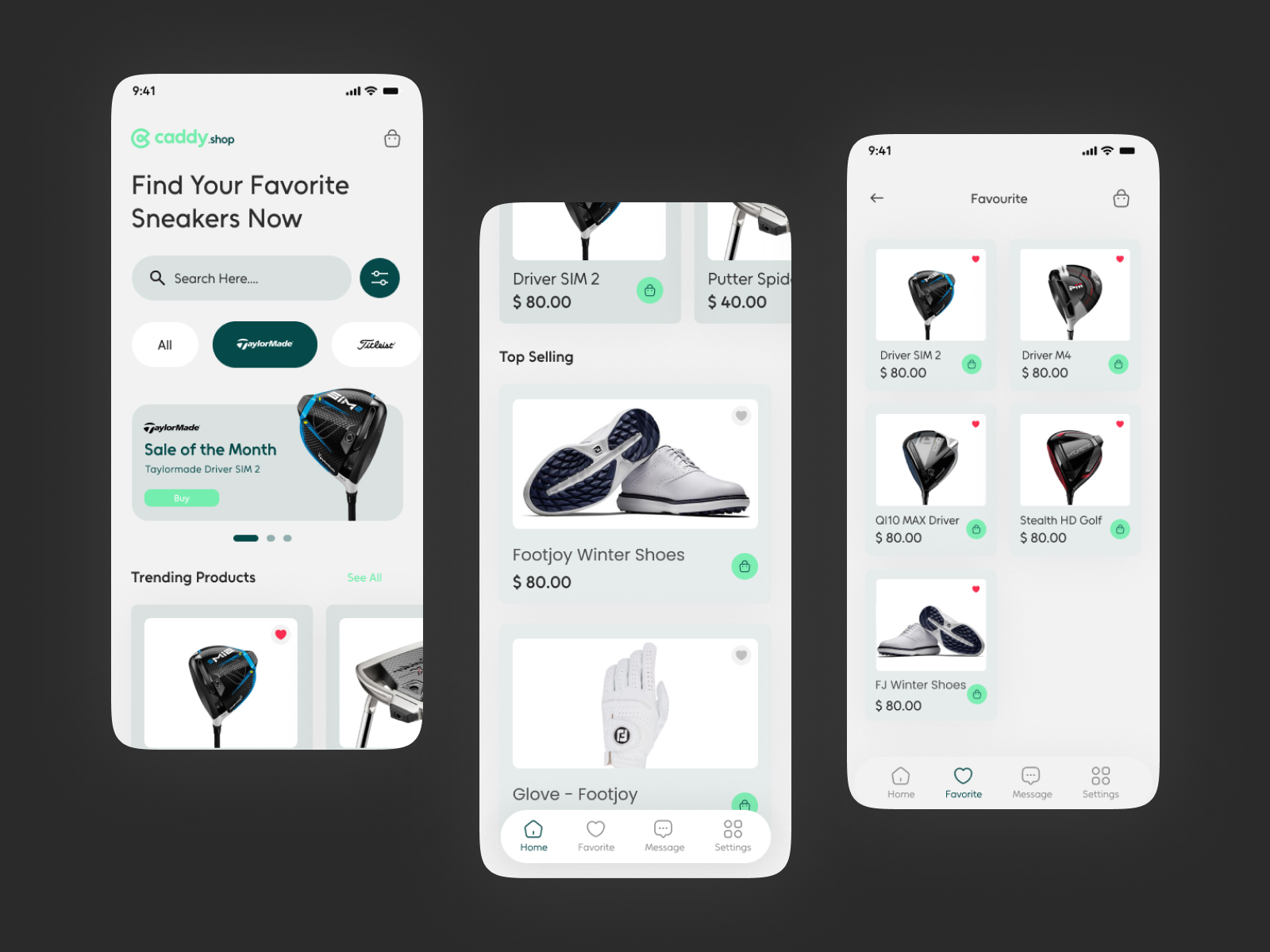
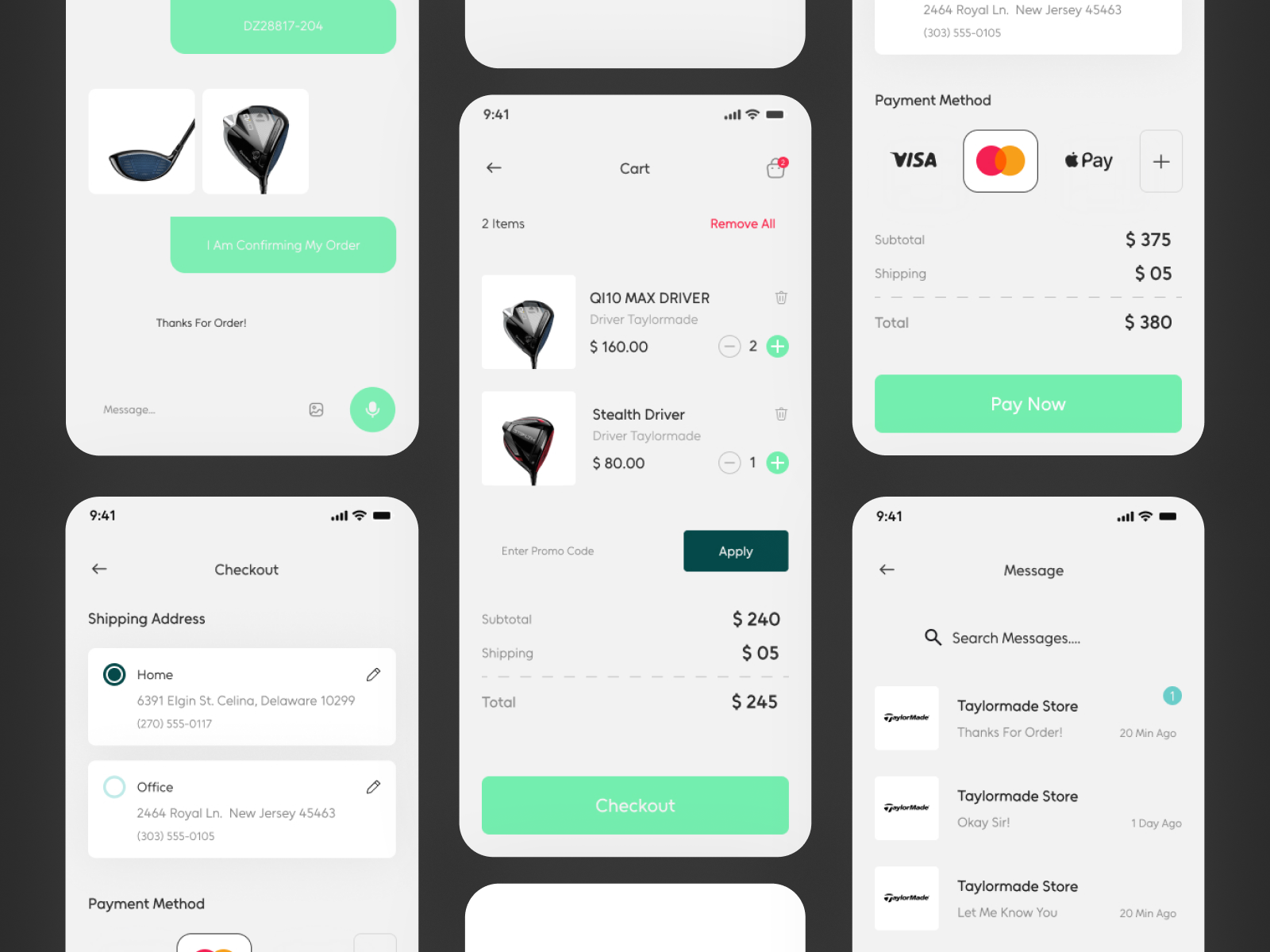
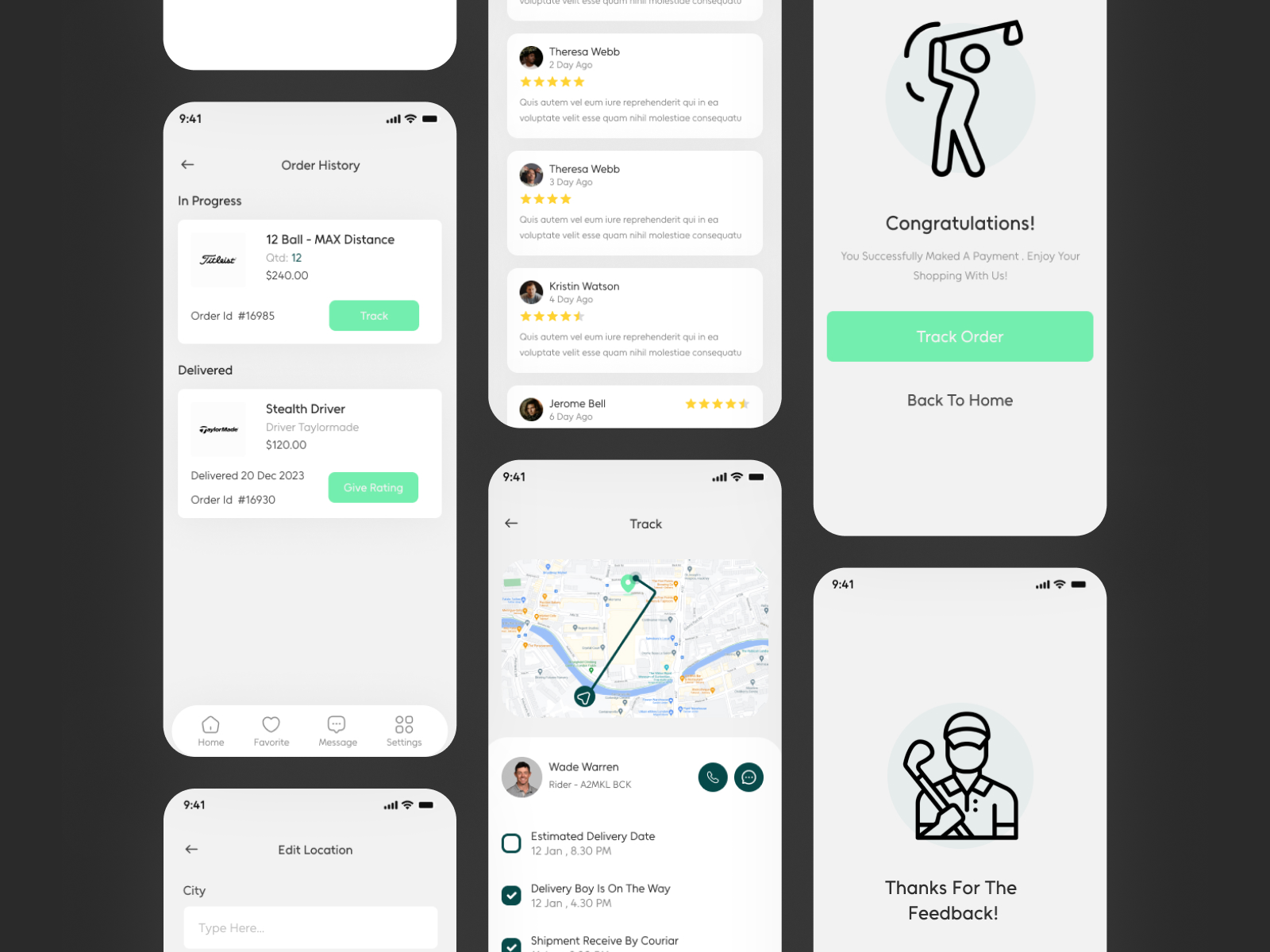
Golf gear is expensive. Buying it shouldn't feel like a gamble — so trust was designed into every touchpoint, not just the checkout.

Rui Pinto, 42
Finance Manager · Lisbon Golf Club · Handicap 14
Wants to upgrade his irons — Titleist T300, regular flex. Open to pre-owned if condition is clearly documented. Frustrated that generic marketplaces mix golf gear with unrelated products and offer no flex or handicap filters. Needs spec-level filtering, real condition photos, comparison, and trusted seller ratings.
How golfers shop — and where they get stuck.
- Golfers filter by club type, brand, flex — not price alone
- Condition grading is #1 trust signal for second-hand gear
- Product photos must show actual condition, not stock imagery
- Handicap-based recs increase engagement for midlevel players
- Competitive audit — eBay Golf, 2nd Swing, GlobalGolf
- Interviews — 8 golfers across handicap ranges 5–28
- Golf forum discussion analysis around gear purchases
- Trust barrier mapping for second-hand sporting goods
Domain knowledge is a design asset. Understanding golf made every filter, label, and interaction decision clearer from the start.
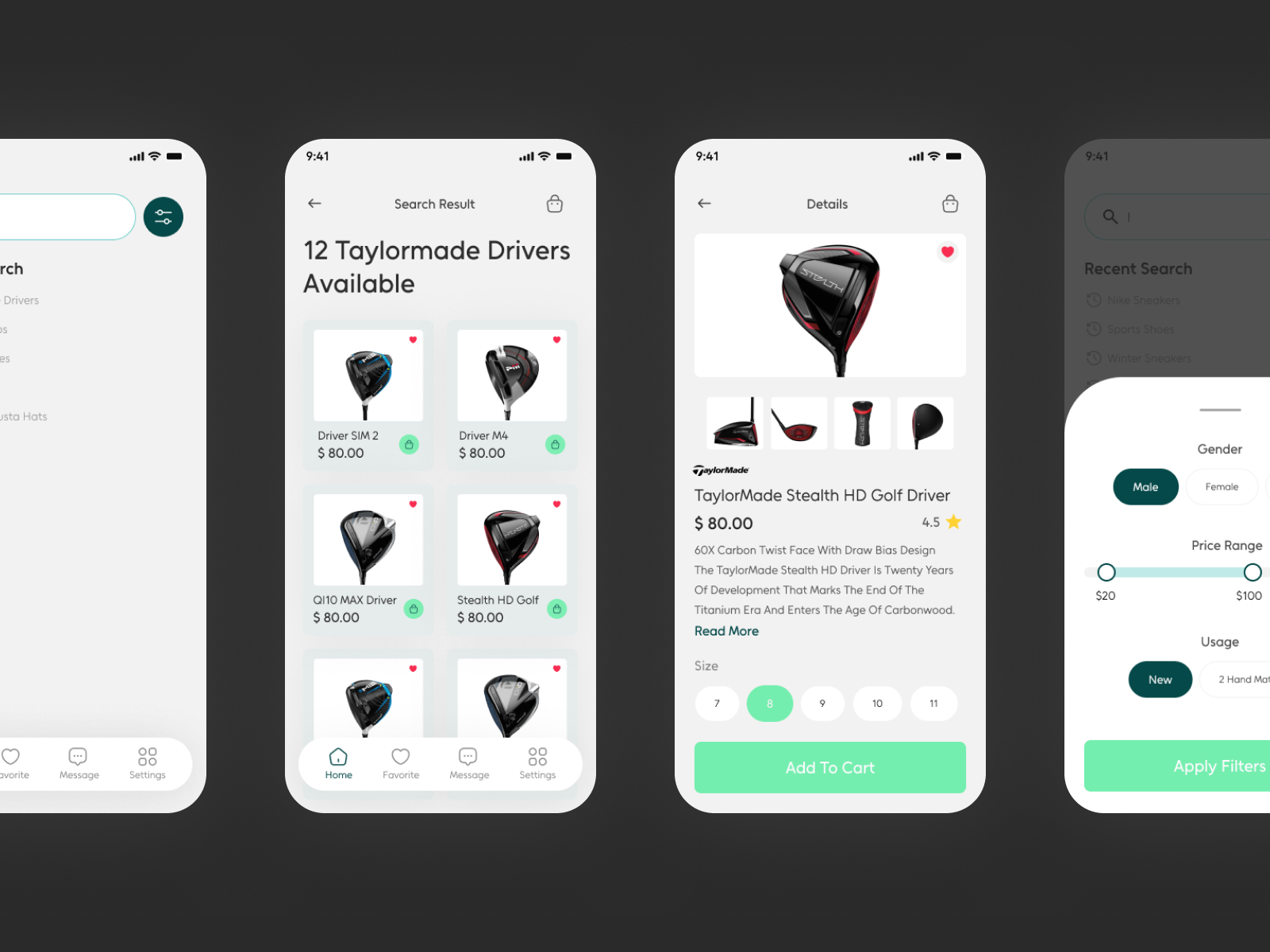
A side-by-side comparison view for up to 3 products resolves purchase anxiety faster than copy ever could. Filters persist across sessions and are built around how golfers actually shop — club type, brand, flex, condition — not a generic e-commerce drawer. The wishlist triggers price-drop alerts automatically.
The palette is grounded in the golf course itself — deep greens, turf white, a sharp amber for deals and alerts. A standardised 4-tier condition grading system (Mint / Excellent / Good / Fair) with defined photo requirements is colour-coded and visible on the card thumbnail without opening the product.
The colour of a well-kept fairway — a visual system built around the domain, not borrowed from generic e-commerce.
Colour-coded condition grades on every card thumbnail. Mint / Excellent / Good / Fair — each grade has defined criteria, mandatory photo requirements, and a consistent visual language across all listings.
Deep Green · #0D1F0F
Fairway · #2E7D32
Green Light
Turf White
Alert / Deal
Inter
Display 900
Body 400
Spec Label 600
Mint / Excellent / Good / Fair — colour-coded, visible on card thumbnail. No need to open the product listing first.
Filters persist across sessions. Club type first, then brand, flex, condition, price. Not a copy of a generic e-commerce drawer.
Concept case study: trust isn’t a checkout badge — it’s condition grades, golf-native filters, and compare that respects how players decide. Shows how I design domain marketplaces when generic e-commerce patterns aren’t enough.